
Key Takeaways
- The Mediterranean diet leans on vegetables, fruit, beans, whole grains, and olive oil.
- Fish, yogurt, and cheese appear often, while red meat and pastries stay small.
- Fiber from beans and grains supports digestion, and healthy fats support heart health.
- Simple swaps, like olive oil instead of butter, make starting easy.
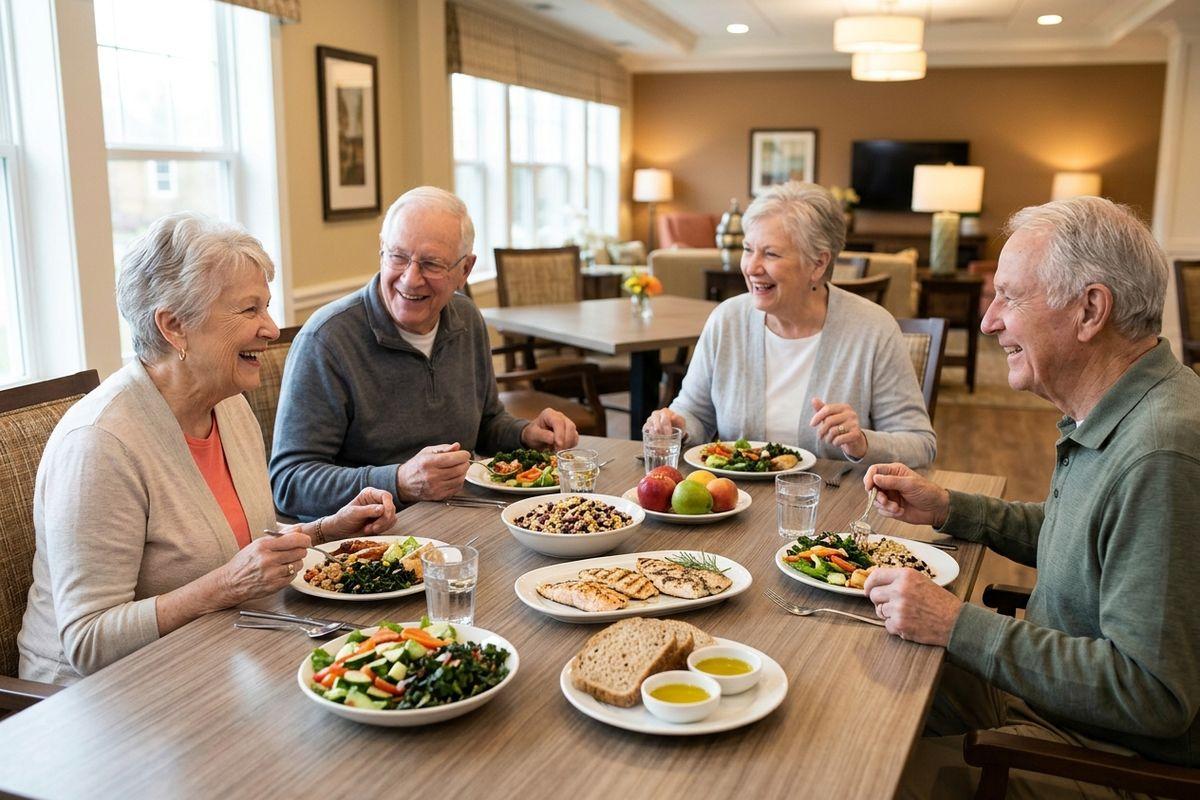
- Home-style meals shared with neighbors are part of daily life at All American Assisted Living at Enfield.
A Fresh Way to Eat at Any Age
Maybe dinner has become a little repetitive lately. Or perhaps cooking for one or two people feels like more trouble than it’s worth. Our team at All American Assisted Living at Enfield believes that food should still bring joy, not just fill a plate. The Mediterranean way of eating brings color, flavor, and comfort to the table without being limiting.
The Mediterranean diet is a plant-forward style of eating built around vegetables, fruit, beans, whole grains, fish, and olive oil. It’s a flexible, flavorful choice for seniors who want to feel good every day.
What the Mediterranean Diet Looks Like
There’s no counting, no weighing, and no long list of forbidden foods. Instead, you fill most of your plate with plants and let everything else play a supporting role. This encourages many people to stick with it for years.
Olive oil takes the place of butter for cooking, drizzling, and dressing. Think warm bread dipped in oil with a crack of pepper and glossy, sizzling carrots.
In a Mediterranean diet, fish, beans, and whole grains show up far more often than red meat. A bowl of lentil soup or a piece of lemony baked cod can carry a meal beautifully on its own. These dishes also fit nicely into the main food groups for seniors.
Why This Way of Eating Suits Seniors
Heart and Blood Sugar Support
The healthy fats in olive oil, nuts, and fish are linked with heart health. Richness and flavor don’t have to come at the cost of your health.
This style of eating also keeps added sugar and sodium low. Herbs, garlic, and lemon do the seasoning work instead. The goal is to make the food taste refreshing rather than salty. Pairing balanced meals with healthy daily habits can make the routine even easier to follow.
Brain, Digestion, and Daily Energy
Fiber from beans and whole grains helps keep digestion comfortable and regular. That alone can make mornings feel smoother and brighter.
You can add fruits and vegetables to the menu for vitamins and minerals. These additions can help support steady energy throughout the afternoon. Even a handful of grapes or a sliced peach counts.
This pattern of eating has also been linked with slower decline in brain function over time. That’s a comforting thought for families thinking ahead about memory care.
Foods to Enjoy Often and Foods to Keep Small
Everyday Staples
These are the foods that can appear on your plate daily.
- Vegetables of every color, raw, roasted, or simmered
- Fresh fruit for snacks and dessert
- Nuts such as walnuts, almonds, and pistachios
- Whole grains like brown rice, barley, and whole wheat bread
- Legumes, including chickpeas, lentils, and white beans
Fish fits in at least two times a week. And dairy products like yogurt and cheese work well in moderation. Eggs are welcome too. You can have about two to four whole eggs a week.
Foods to Keep Small
Nothing is off the table. These foods simply take a smaller role.
- Red meat and burgers, around once a week or less
- White bread and pastries
- Sugary drinks
- Processed meats such as bacon and sausage
If Sunday roast is a family tradition, keep it. Balance across the week matters more than any single meal. You can read up on some healthy eating tips for seniors to find that delicate balance.
Simple Meal Ideas for Every Part of the Day
Breakfast and Lunch
Morning can be as easy as warm oats topped with berries. You can also consider Greek yogurt with chopped walnuts and a drizzle of honey. Both come together in minutes.
For lunch, try a chickpea salad with cucumber, lemon, and olive oil. A tuna and white bean salad is another satisfying option that needs no open flame at all.
Dinner and Snacks
Baked salmon with herbs and roasted asparagus makes dinner feel special on an ordinary Tuesday. A squeeze of lemon at the end wakes up the whole plate. As an alternative, roasted eggplants with marinara and a little cheese can make the whole evening feel warm and cozy.
When hunger strikes between meals, hummus with raw vegetables or a platter of sliced fruit can be your go-to snacks. Always keep them ready in the fridge. The easy choice is the first one you see.
Easy Ways to Start Without an Overhaul
You don’t need to clear out your kitchen to begin. Small changes add up quickly and feel far more doable. Simple meal planning tips can smooth out the first week.
- Add one vegetable to every plate, even if it’s just sliced tomatoes
- Swap white rice for brown rice
- Use olive oil where you’d normally reach for butter
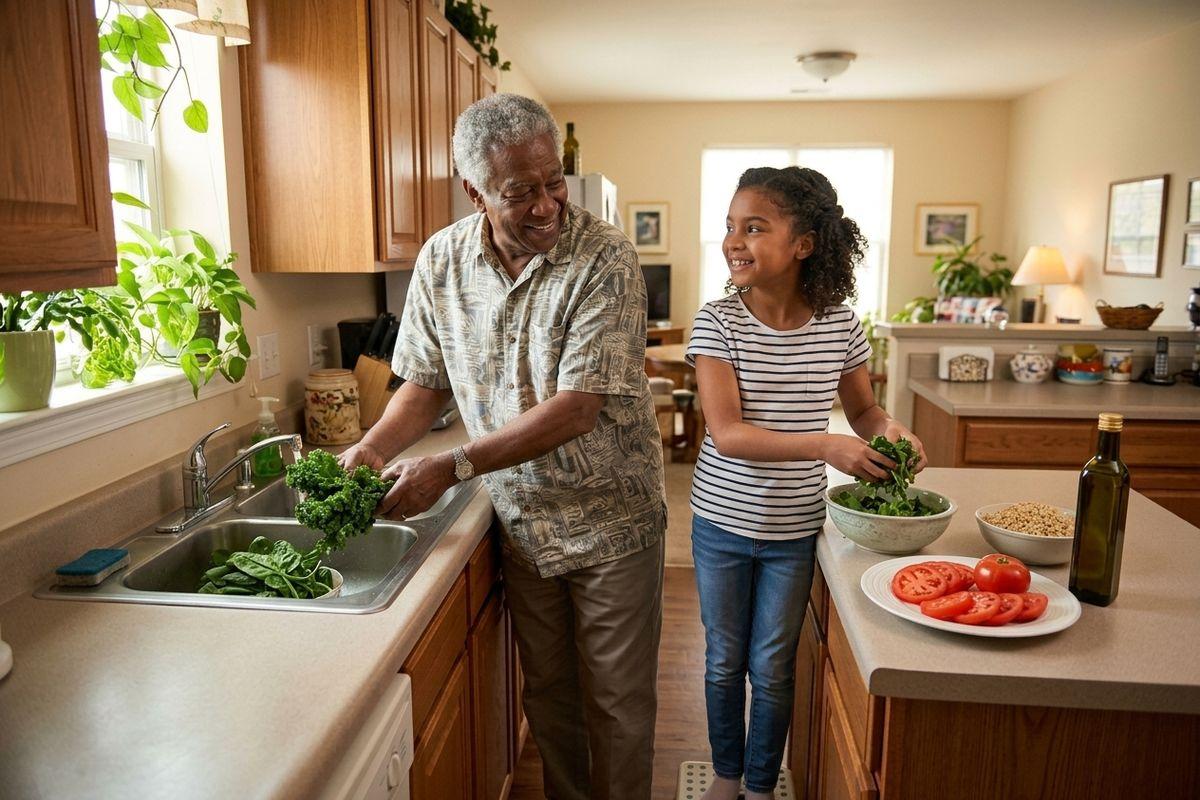
- Plan and cook meals together with family or friends
Cooking alongside someone turns a chore into a fun afternoon. And time spent with friends and family supports well-being too. Grandchildren can wash the greens while you tell the story behind the recipe.
A Flavorful Next Chapter in Senior Living
At All American Assisted Living at Enfield, home-style meals are served fresh and warm. You can share your plate with neighbors who quickly become friends. Good food and good company go together, and the weekly calendar of programs keeps every day interesting.
Our team offers assisted living, memory care, and respite care. And each is shaped around what you need most. Reach out to us today to schedule a tour and see the dining room and the suites. You can feel the daily rhythm of the community for yourself.