
Key Takeaways
- Respite care offers a short-term stay while you heal after a procedure.
- Stays can last a few days or a few weeks, shaped by your recovery pace.
- Help with meals, bathing, dressing, and medication reminders takes pressure off you and your family.
- Company and conversation can lift your mood during quiet recovery days.
- Planning before surgery makes the first 24 hours afterward far smoother.
- Assisted living and memory care are available if needs change over time.
Short-Term Care That Supports Recovery After Surgery
Surgery is only half the story. The weeks afterward, you move slower and reach for the counter to steady yourself. This period of time calls for the right support. Our team at All American Assisted Living at Enfield sees many families realizing this only once they’re staring at the stairs at home.
Respite care is a short-term stay in a senior living community after a procedure. Our community provides comfortable surroundings and helps with daily tasks as you recover.
What Respite Care Means After Surgery
It’s a soft landing. You settle into a furnished suite instead of heading home to an empty house. Warm meals arrive, laundry gets handled, and someone checks in.
Daily tasks that felt simple before surgery can be difficult to manage afterward. Think buttoning a shirt, stepping into the shower, and carrying a plate across the kitchen. Respite care covers those moments so you can put your energy toward healing.
How Long a Stay Usually Lasts
Some stays last a handful of days. Others stretch across a few weeks. It depends on how your recovery unfolds and what your care team suggests.
There’s no fixed schedule you have to squeeze into. The length is shaped by your pace and your budget. Plans can also shift if you need a little more time to feel steady on your feet.
Common Challenges During Recovery at Home
Home is familiar, but it isn’t always built for healing. A short flight of stairs can become an obstacle course after a procedure. Bathrooms can feel slippery. And a rug you’ve walked over for 20 years can suddenly become a safety hazard. Staying in an environment that’s not designed for recovery can lead to falls and fractures.
Everyday routines get harder after surgeries too. Cooking a real meal takes standing time you may not have yet. And bathing or dressing can require a steady hand nearby. When those tasks pile up, people often skip them. That tends to slow the recovery process down.
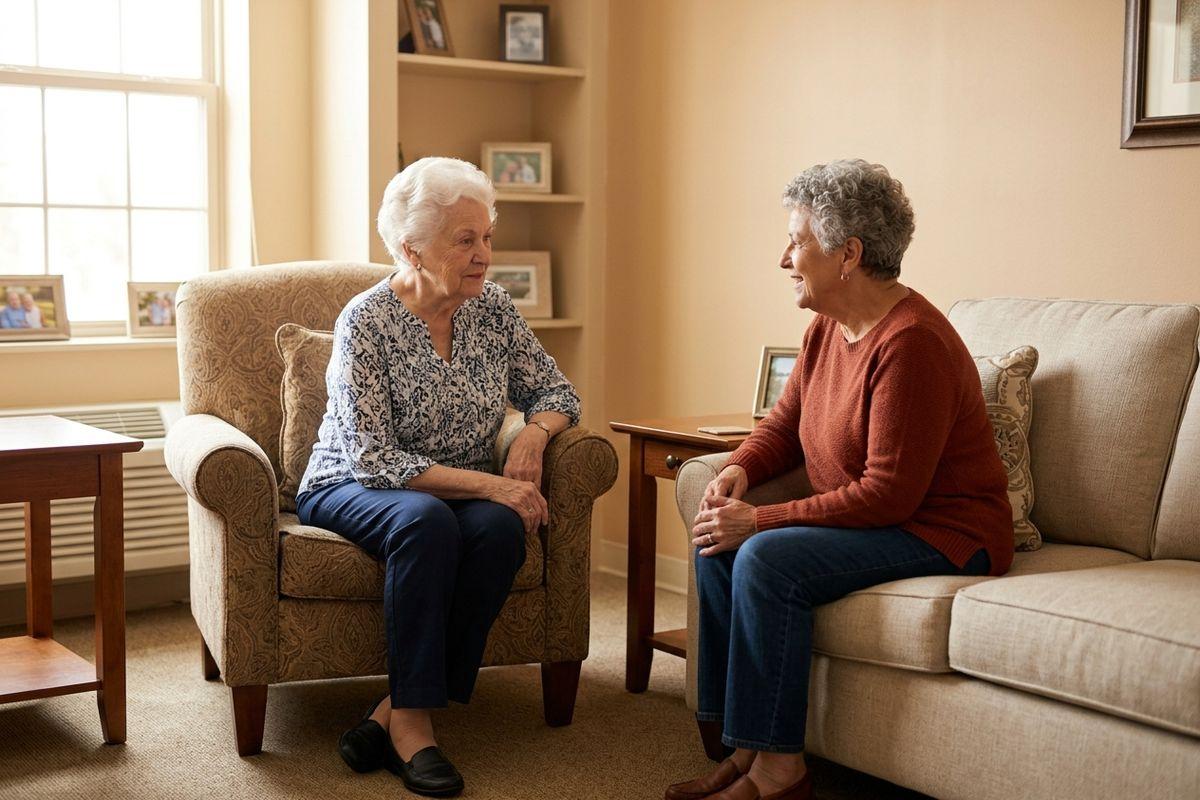
Then there are the quiet hours. Long afternoons alone with the TV on can feel isolating.
How to Prepare Before the Procedure
The smoothest recoveries are usually planned before the surgery date. A short conversation with your care team can answer most of the practical questions.
Here are some helpful things to ask about.
- How long recovery is expected to take
- Any movement limits, such as lifting, bending, or stairs
- What help you may need with bathing and dressing
- Follow-up appointments and transportation needs
Give the first 24 hours after the procedure extra thought. Decide ahead of time where you’ll go straight from the hospital. Also think about who will drive you and what you’ll need once a decision is made.
Details to Pack and Share
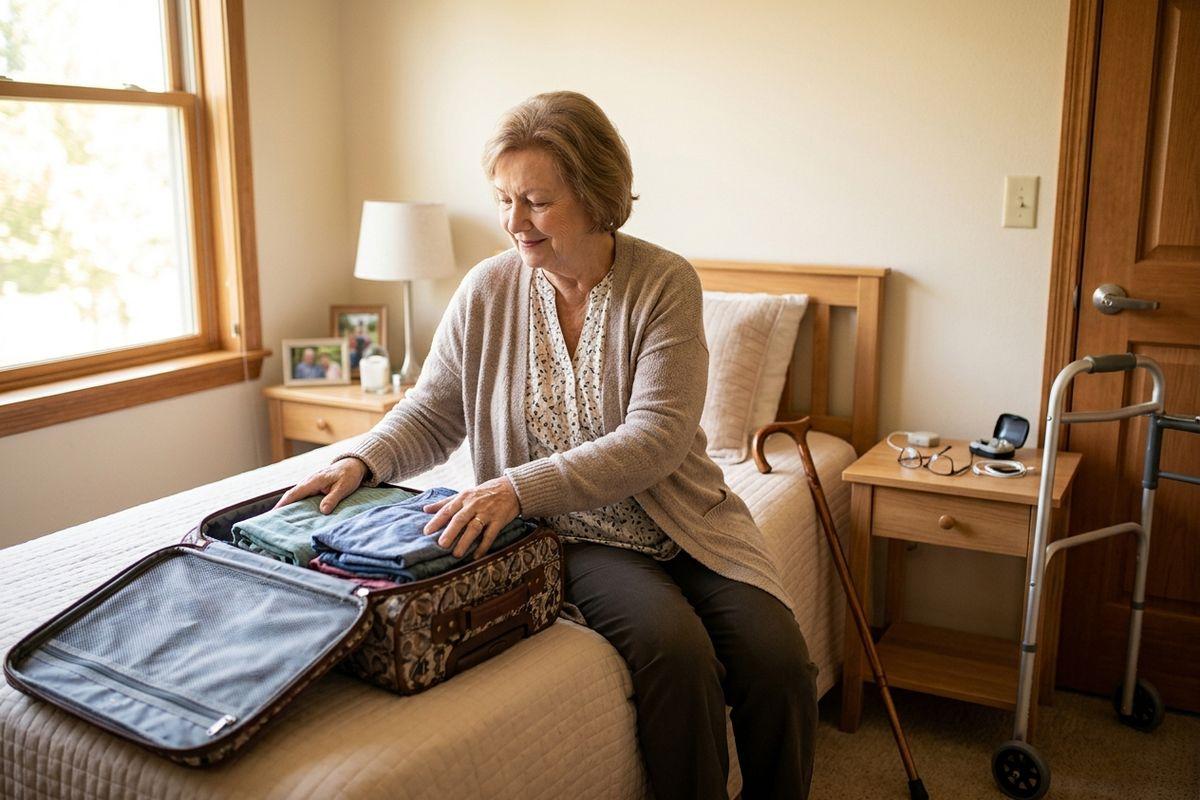
Bring a written list of your medications along with any instructions from your care team. Sharing it on arrival means everyone is working from the same page.
Pack items that keep you comfortable and moving safely.
- A walker, cane, or other mobility aid
- Loose, easy-to-manage clothing
- Non-slip shoes or slippers
- Eyeglasses, hearing aids, and phone chargers
Everyday Support You Can Expect in a Senior Living Community
Days here are built around comfort. That means medication reminders arrive right on schedule. And personal care help is available for bathing, dressing, and grooming whenever you need it.
Home-style meals are served daily, so you’re not standing at a stove for hours on end. Housekeeping and laundry are fully handled. Suites feature accessible designs so you can move around easily without clutter or tight corners.
When you’re ready, engaging activities await you. Music, games, crafts, and outings to restaurants can brighten your days as your strength returns.
Options Beyond Short-Term Stays
Sometimes a short stay reveals that a little ongoing help would make life easier. Assisted living offers that steady support while still encouraging you to do things for yourself.
Memory care is also available with personalized attention. Residents receive extra structure and gentle guidance throughout the day.
Choosing a Comfortable Recovery
Recovery goes more smoothly with support, safe surroundings, and friendly faces nearby. Respite care brings all three together during those weeks when rest is most needed.
Our team at All American Assisted Living at Enfield is happy to talk through what a short-term stay could look like for you. Reach out today to schedule a tour and see the suites. You can meet our team and picture the days ahead. Our community can make the healing process feel lighter for you.