

Key Takeaways
- Difficulty with daily tasks such as cooking, housekeeping, laundry, or personal care may indicate a need for additional support.
- Recurring safety concerns, including falls or medication management issues, can signal that assisted living should be considered.
- Social isolation can affect emotional well-being and may reduce participation in meaningful activities and relationships.
- Increasing health needs and chronic condition management challenges can make living independently more difficult.
- Assisted living provides personalized support while helping residents maintain independence and stay engaged.
- Starting conversations early and visiting communities together can help families make informed decisions with less stress.
Recognizing When the Time Is Right
Watching a parent or loved one grow older often comes with difficult questions. You may notice small changes in their daily routine, health, or overall well-being and wonder whether they need more support than they currently have at home. Knowing when to step in isn’t always easy, especially when your loved one values their independence.
The right time to consider assisted living looks different for every family. In many cases, the signs appear gradually rather than all at once. Understanding what to watch for can help you make informed decisions before a temporary challenge becomes a larger concern.
Signs Your Loved One May Need More Support
Many families assume assisted living only becomes necessary during a crisis. In reality, exploring options earlier often gives everyone more time, flexibility, and peace of mind. If you’ve noticed several of the following changes, it may be time to start the conversation.
Daily Tasks Are Becoming More Difficult
Activities that once felt routine can become challenging with age. You may notice your loved one struggling to keep up with housekeeping, prepare balanced meals, manage laundry, or maintain personal hygiene. These changes can affect both their comfort and overall quality of life.
Safety Concerns Are Becoming More Common
Falls, medication mix-ups, missed appointments, or difficulty navigating the home can all indicate a growing need for support. While a single incident may not be cause for concern, recurring safety issues often suggest that additional assistance could help your loved one remain more comfortable and secure.
Social Isolation Is Affecting Quality of Life
Many older adults experience fewer opportunities for social interaction as friends move away, family schedules become busier, or driving becomes more difficult. Over time, isolation can affect emotional well-being and reduce participation in activities that once brought enjoyment and purpose.
Health Needs Are Becoming Harder to Manage at Home
Managing chronic conditions can become more complicated as care needs increase. Frequent hospital visits, difficulty following medical instructions, or growing concerns about memory and mobility may signal that a more supportive environment would benefit your loved one.
What Assisted Living Actually Looks Like Day to Day
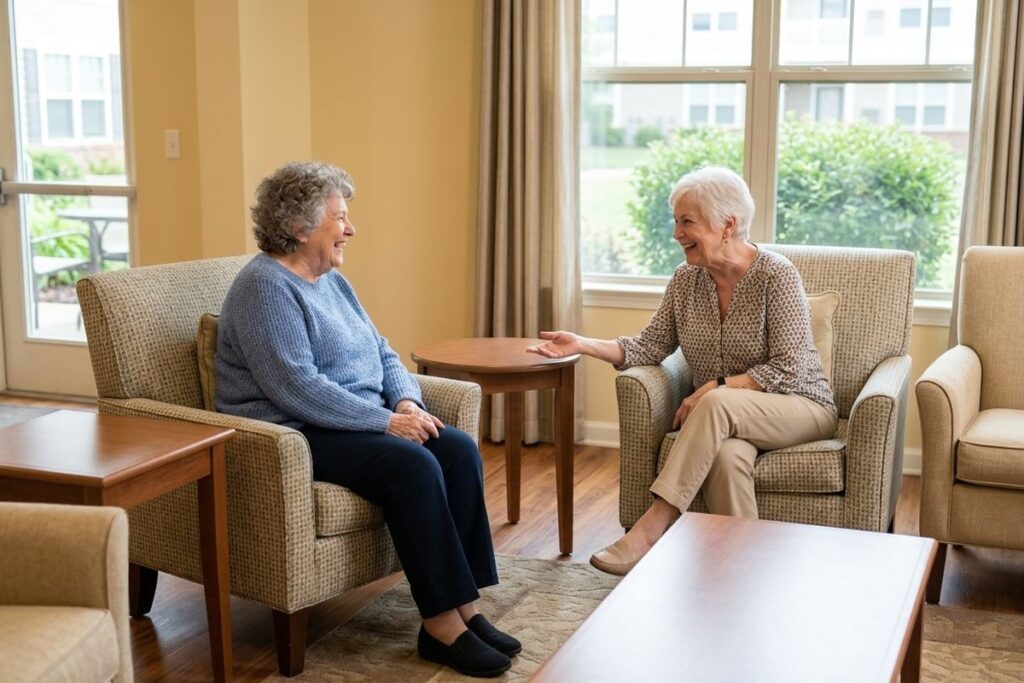
Many families have outdated ideas about what assisted living involves. Today’s communities are designed to support independence while providing assistance when needed. Residents maintain their own routines, pursue hobbies and interests, and enjoy opportunities to stay active and connected.
While every community is different, many assisted living residents enjoy access to services and amenities such as:
- Assistance with activities of daily living
- Medication management support
- Chef-prepared meals and flexible dining options
- Social events, clubs, and enrichment programs
- Housekeeping and laundry services
- Scheduled transportation
- Private apartments and comfortable living spaces
The goal is not to take away independence. Instead, assisted living helps remove some of the challenges that can make daily life more difficult, allowing residents to focus on the activities and relationships they value most.
How to Start the Conversation With Your Loved One
Talking about assisted living can feel uncomfortable, particularly if your loved one has never considered making a move. Approaching the discussion with patience and empathy can help create a more productive and positive experience for everyone involved.
Start the Conversation Early
Waiting until a crisis occurs can limit options and create unnecessary stress. Starting the conversation early gives your family time to explore possibilities, gather information, and make decisions thoughtfully rather than reactively.
Focus on Their Goals and Priorities
Rather than focusing solely on challenges, ask your loved one what they want their daily life to look like. Conversations about convenience, social opportunities, safety, and maintaining independence often feel more positive than discussions centered on limitations.
Listen More Than You Talk
Your loved one may have concerns about leaving their home, changing routines, or losing control over important decisions. Giving them space to share their thoughts can help them feel respected and included throughout the process.
Involve Them in the Decision-Making Process
Whenever possible, make decisions together. Encouraging your loved one to participate in research, ask questions, and share preferences can help them feel more confident and comfortable about the future.
Explore Communities Together
Visiting communities in person allows your loved one to see what daily life actually looks like. Touring apartments, meeting residents, and experiencing the atmosphere firsthand often helps replace uncertainty with a clearer understanding of what assisted living can offer.
Give Your Loved One a More Comfortable, Supported Life
There is no single answer to when the right time for assisted living arrives. Every family faces different circumstances, and every older adult has unique needs and goals. Paying attention to changes in daily routines, safety, social engagement, and overall health can help you recognize when additional support may be beneficial.
At All American Assisted Living at Enfield, we’re here to help families explore their options and find the right level of support for their loved ones. Whether you’re just beginning the conversation or actively researching communities, our team is happy to answer questions and provide guidance. Schedule a tour with us today to learn more about assisted living at All American Assisted Living at Enfield.